Understanding the dynamics of bullish and bearish periods is essential for investors trying to navigate the world of finance. In this article, we’ll dive into the historical context of bull market periods, explore the conditions required for them to emerge, and analyze the current market situation.
Historical perspective:
Since the 1960s there have been ten bear markets, and each one has been followed by a bull market that delivered an average return of 170%. Bull markets typically lasted around five years. Understanding these historical patterns can offer valuable insight into the potential duration and magnitude of the next bull market.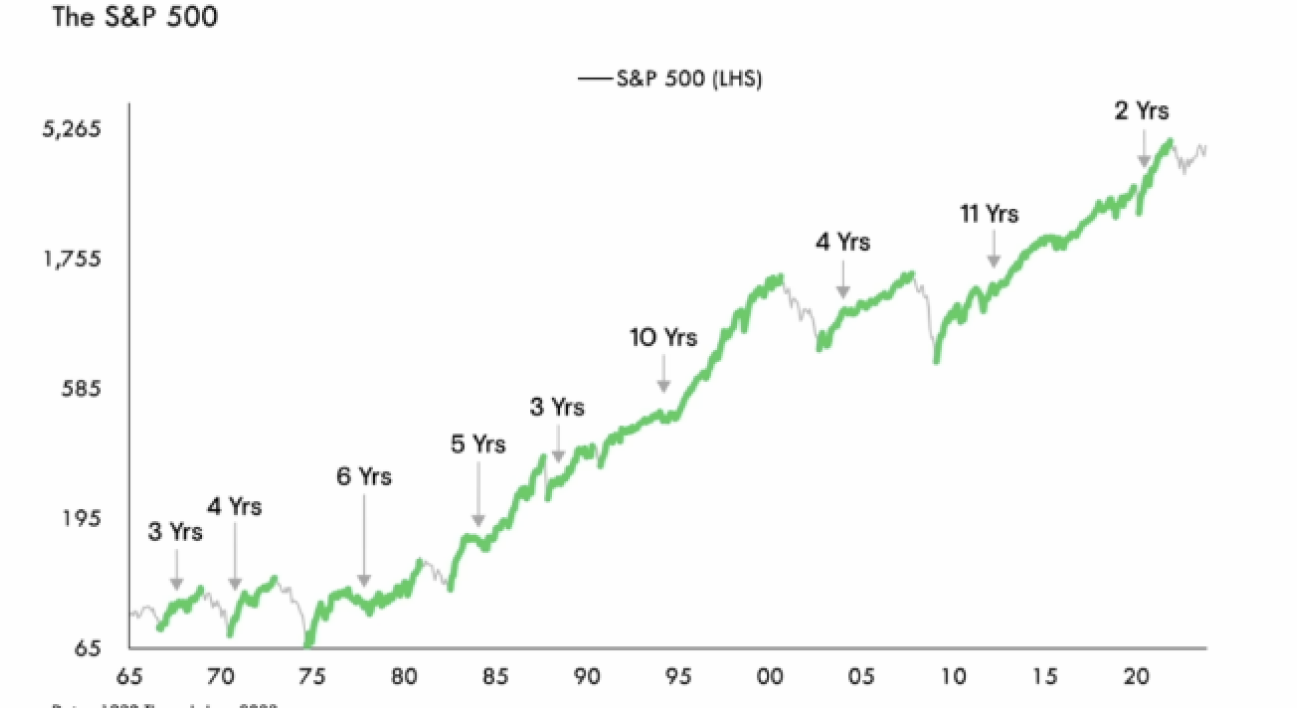
The role of recessions in creating bull markets:
In most cases, bear markets emerge out of recessions, as economic downturns push people to cut back on spending. When optimism returns and pent-up demand is released, it creates a significant economic boom. There have, however, been two exceptions – the upswings that emerged from the 1966 and 1987 bear markets, which were not recessionary. Analysis of these precedents suggests that markets could continue to rise well into 2024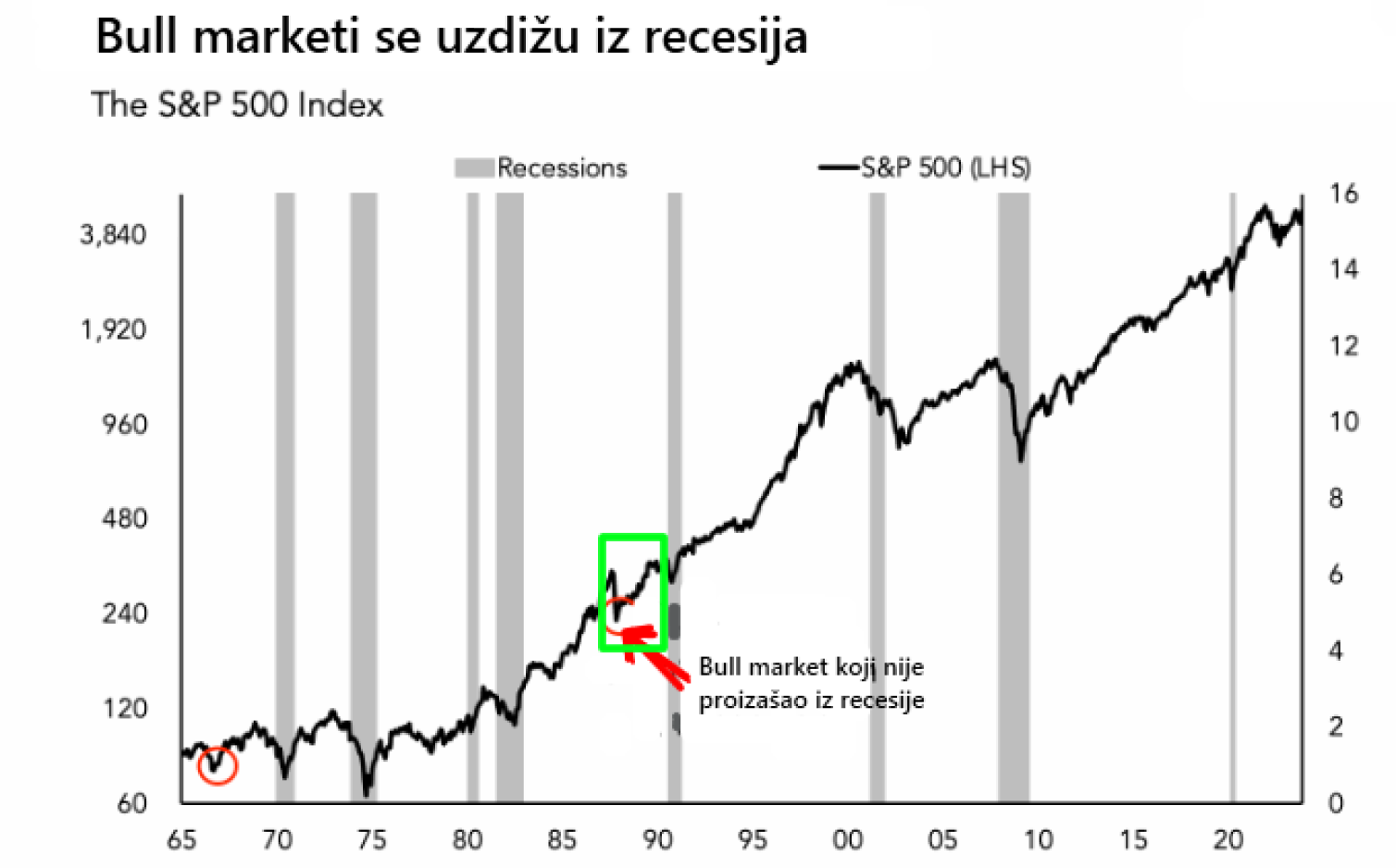
The role of inflation and unemployment
Beyond recessions, inflation and unemployment also play key roles in assessing the potential of a bull market. Rising inflation typically pushes up the cost of living, which leads to a decline in stocks. However, once inflation peaks, as was the case in 2022, stocks often bottom out and begin to recover. Normalizing inflation after elevated levels is crucial for the market rally to continue. Historical data shows that three bull markets emerged from major inflation peaks in 1970, 1974, and 1981.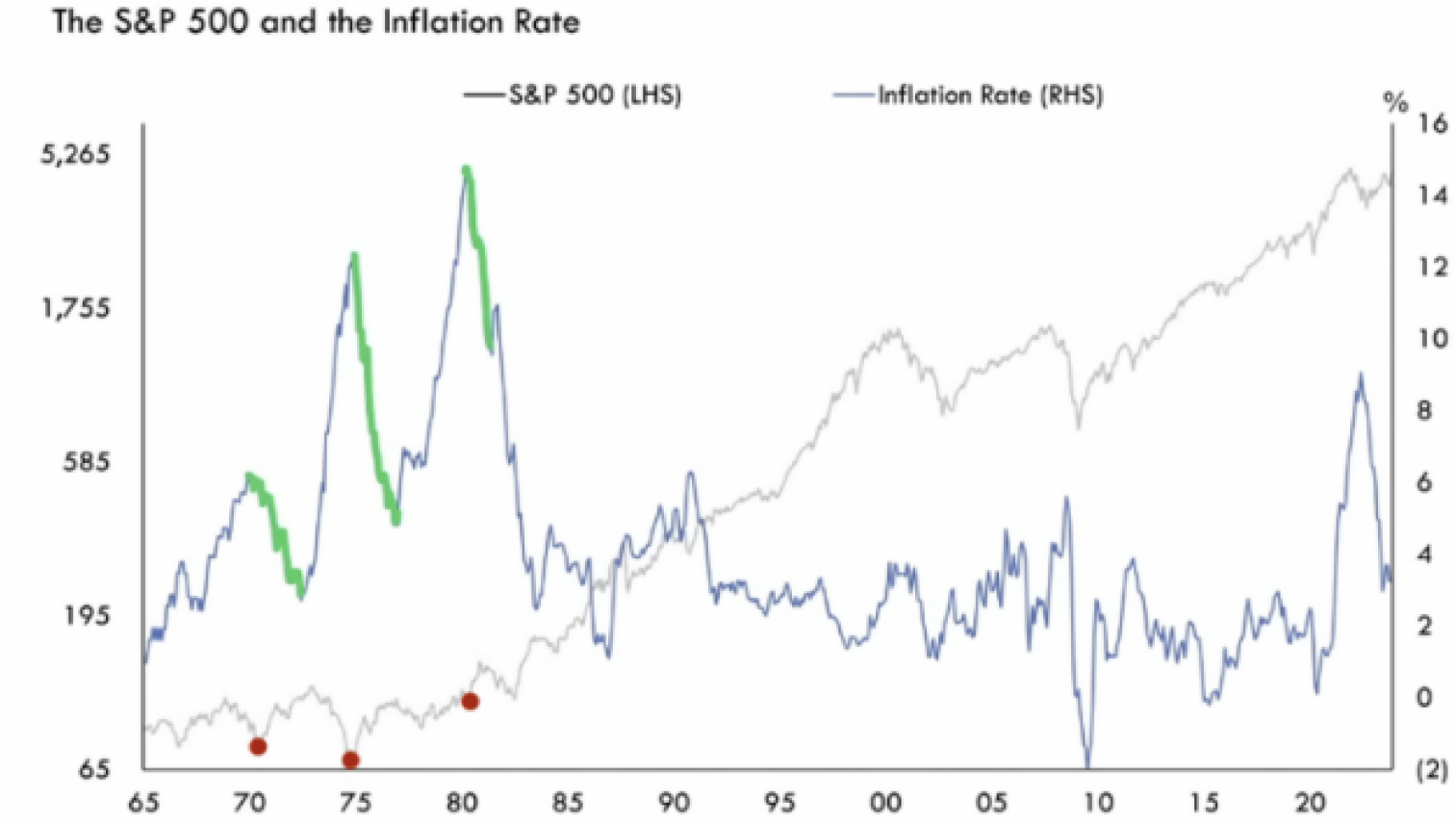
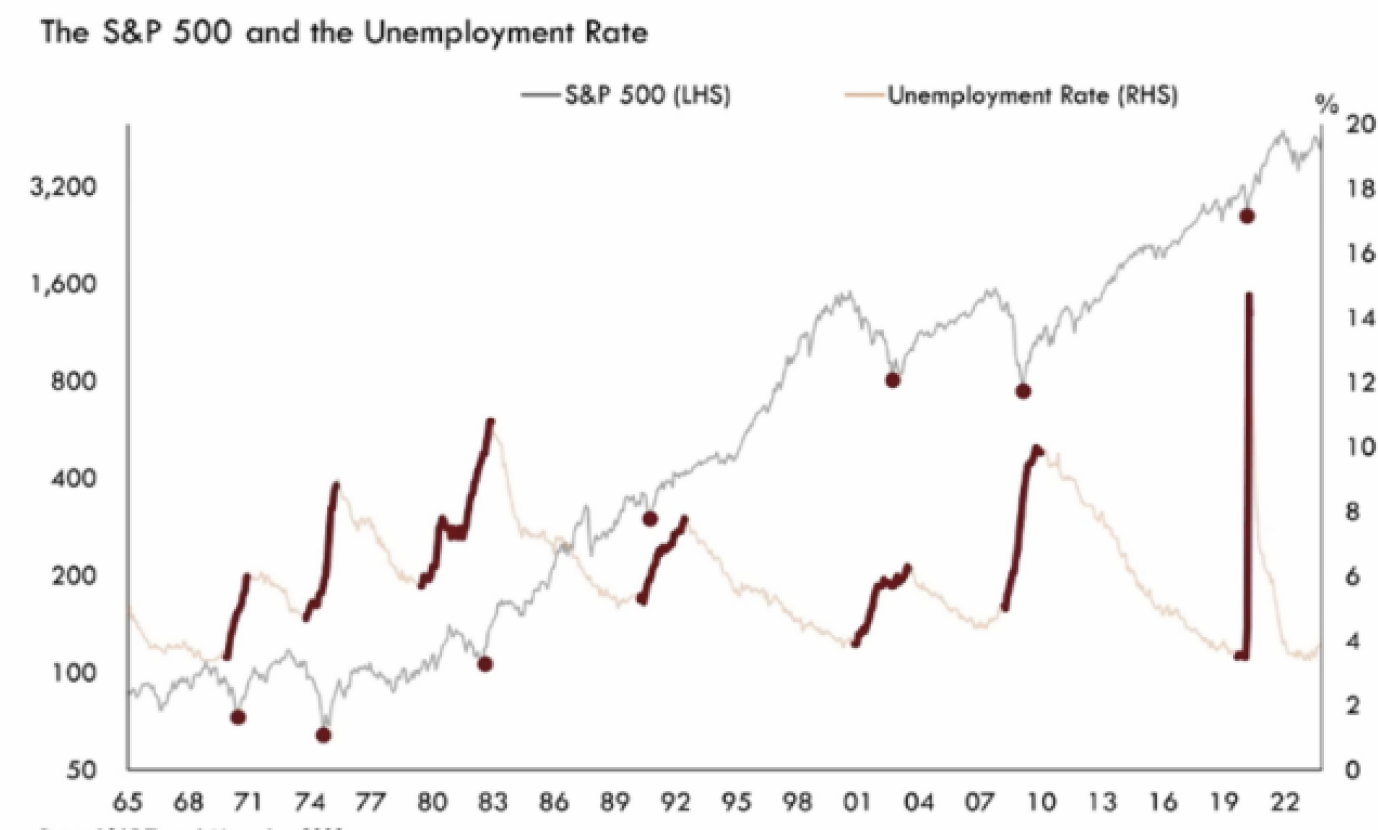
Still, despite the 2022 inflation peak, the recession component is still missing. While some argue that a technical recession did occur in 2022, with negative GDP over two consecutive quarters, the unemployment rate remained historically low, at around 3.7%. Stocks typically bottom out only after the unemployment rate rises, with the exceptions of 1967 and 1987.
The role of interest rates
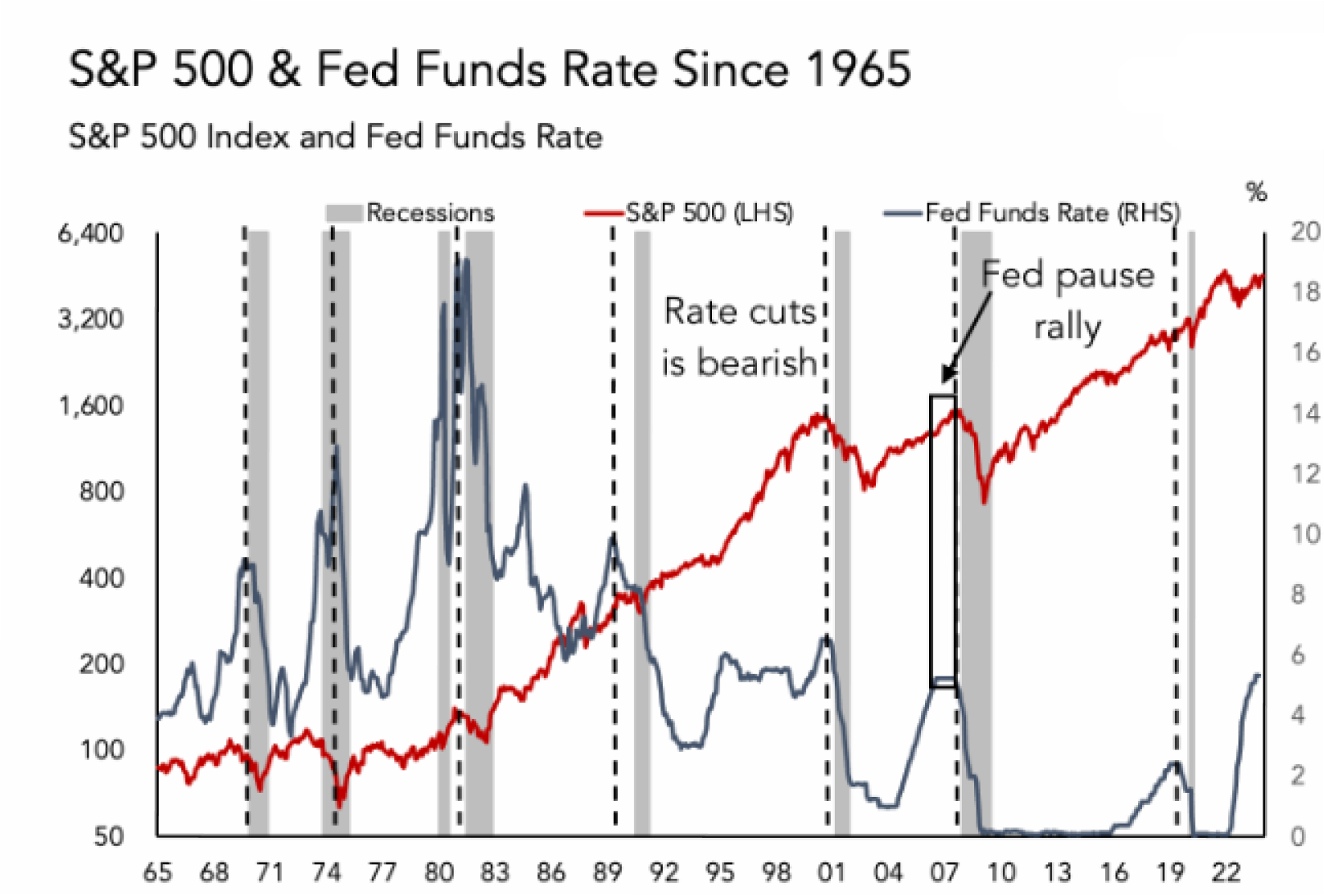
The last factor that plays a key role in the potential for a bull market is interest rates. New bull markets tend to emerge when interest rates are low. Currently, the market has rallied on the back of the Fed’s pause (similar to 2006), and the Fed is projecting rate cuts in 2024. Historically, Fed rate cuts have been a bearish signal for stocks, which could trigger selling once stocks reach new all-time highs.