It's no secret that the modern dream of homeownership is dead, and plenty of people say Biden killed it, with that death now spreading to the rest of the Western world. But while he drove in the final nail, the blame stretches across the entire political spectrum, going back decades.
This has been building for a long time, and to see where the roots of this poisonous weed were first planted, we need to go all the way back to President Lyndon Johnson.
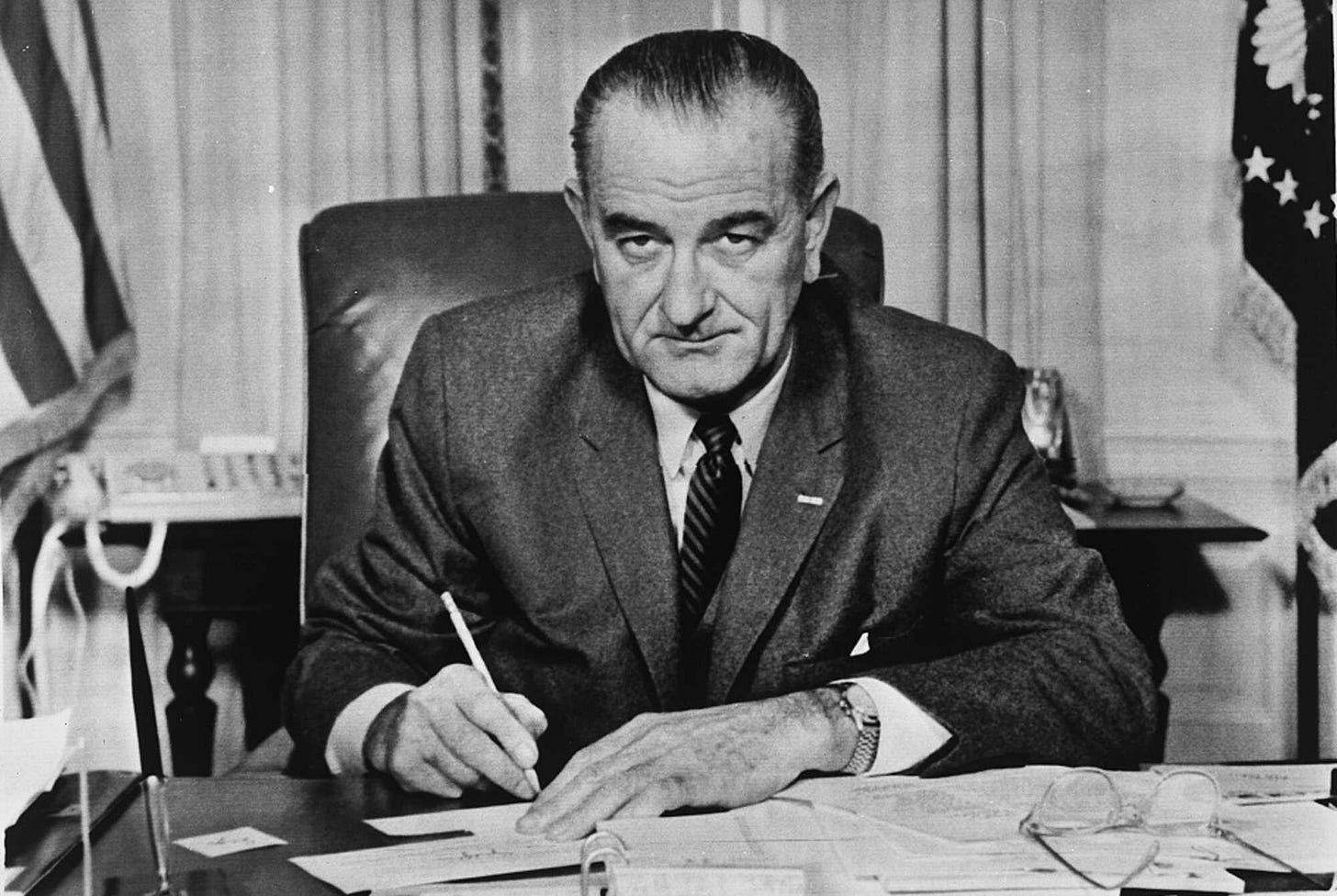
Before LBJ, Americans understood homeownership as something you were meant to have, something every person deserved and was entitled to.
And then: the welfare system!
Modern society turned the conversation about homeownership into a right reserved for only some individuals, and Johnson deserves much of the credit for that.
Johnson used the welfare system so that people were “housed,” but were never “homeowners.”
He also redirected housing investment away from single-family homes and into apartments, by government mandate.
Later administrations slowly increased how much the government subsidized housing, and those subsidies eventually extended even to the construction of single-family homes.
At first glance, you'd think that would lower home prices, since it should increase supply, and you'd be right, if this were genuinely a competitive market condition. But these additional welfare programs applied only to certain people, and they raised the cost of housing for everyone else.
Whenever the government designated a neighborhood as housing for the poor, it effectively pulled those units out of the private market where most people were trying to buy a home. That sequence of events actually drove up the prices of the properties in that same neighborhood that weren't part of the welfare program.
Because single-family homes house significantly fewer people on a given plot of land than apartments do, using houses to accommodate welfare recipients who had previously lived in apartments sharply reduced the land available to private-market buyers.
That drove up land values fairly quickly in areas with a high concentration of low-income residents, who were more likely to qualify for welfare. The steadily shrinking supply of available land opened up a gap in private-market home values.
The inability to escape poverty fueled crime. For the first time, ghettos became synonymous with crime in America.
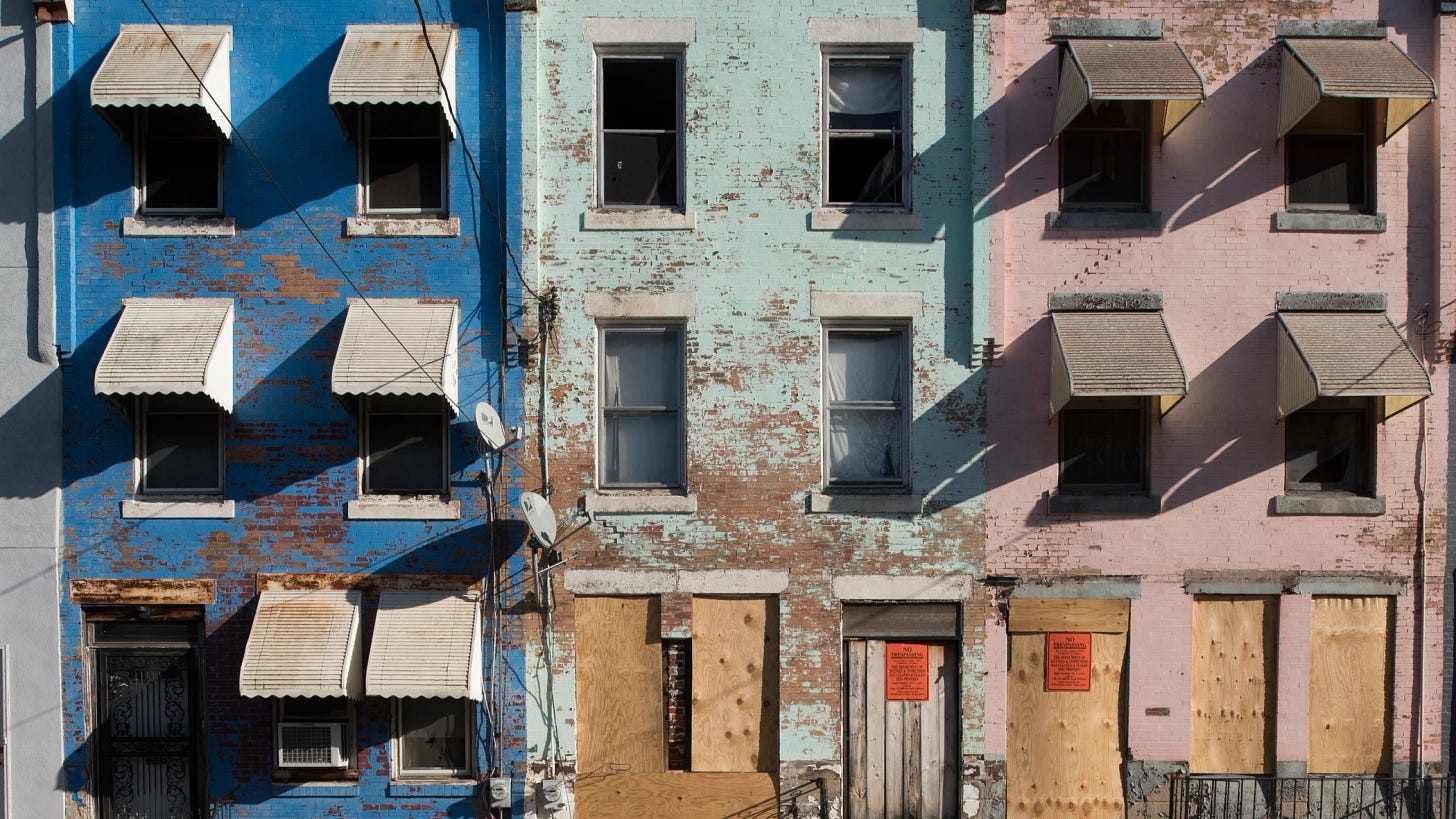
The irony is that the more welfare expanded, the more it became a trap tied to housing. Still, these programs were small compared to today's and didn't affect most Americans. The impact was geographically isolated, almost always confined to inner cities.
Then came inflation.
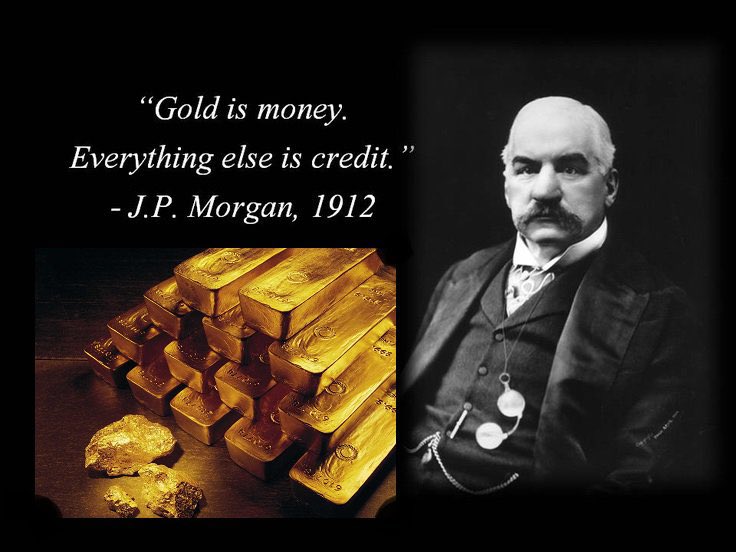
Somebody had to pay for the welfare programs, the war in Vietnam, and all the other government excess. Unwilling to rein in spending or raise taxes (and now freed from the gold standard), the financing mechanism of choice was inflation.
With the dollar's value collapsing through the 1970s, saving for a down payment became almost impossible. Every time you scraped together enough money, home prices would rise again, forcing people to work more or take on more debt.
Once interest rates spiked in the late seventies and early eighties, it no longer mattered whether you had a 20% down payment, because you couldn't afford the monthly payment anyway.
In some cases, Americans were forced to put off buying a home for years, saving up enough to put down roughly half the purchase price just to bring their monthly payments back within reach.
Although Ronald Reagan made limited progress in curbing the negative effects of housing welfare programs, the impact was minimal. It was the economic boom and the defeat of inflation in the 1980s that drove a surge in real wages and made homeownership possible for millions of Americans.
His successor set about reversing that progress. Bush Sr. rolled back Reagan's limited reforms to housing welfare programs and presided over rising taxes, inflation, and interest rates. The effect wasn't massive, but it certainly didn't help Americans afford homes.
His son, Bush Jr., did far more damage. In the name of “compassionate conservatism,” Bush Jr. significantly expanded housing welfare programs.
Although Clinton signed welfare reform, including some housing programs, he also added regulations that effectively forced banks to lend to specific groups with disproportionately poor creditworthiness.
At a time of below-normal interest rates, banks were pressured by regulators like the FDIC and the SEC to extend credit to increasingly risky borrowers. Credit rating agencies had every incentive to look the other way. Builders had cash to spare, courtesy of government subsidies.
The biggest housing boom in history was underway. Millions of Americans left welfare housing and became homeowners, but only in name, since they were living in homes they couldn't actually afford.
Sophisticated financial instruments like “negative-amortization, interest-only” loans were a sleight of hand that satisfied regulatory requirements while dooming homeowners, and the entire industry, to disaster. The whole arrangement depended on home prices rising forever, which was never sustainable.
And then – the CRASH of 2008
Lord Greenspan finally realized that endless money printing causes inflation (shocking, right? :D), and interest rates went back to normal. Many Americans suddenly found themselves so deep in mortgage debt they simply couldn't keep paying.
The epic collapse that followed dragged down so many financial derivatives that it triggered the first global financial crisis since the Great Depression.
In the years that followed (dubbed the Great Recession), the Fed rushed in and tried everything it could to prop up falling home prices, believing that would fix the problem. It bought mortgage-backed bonds, ran multiple rounds of QE, pumped liquidity into the system, and much more.
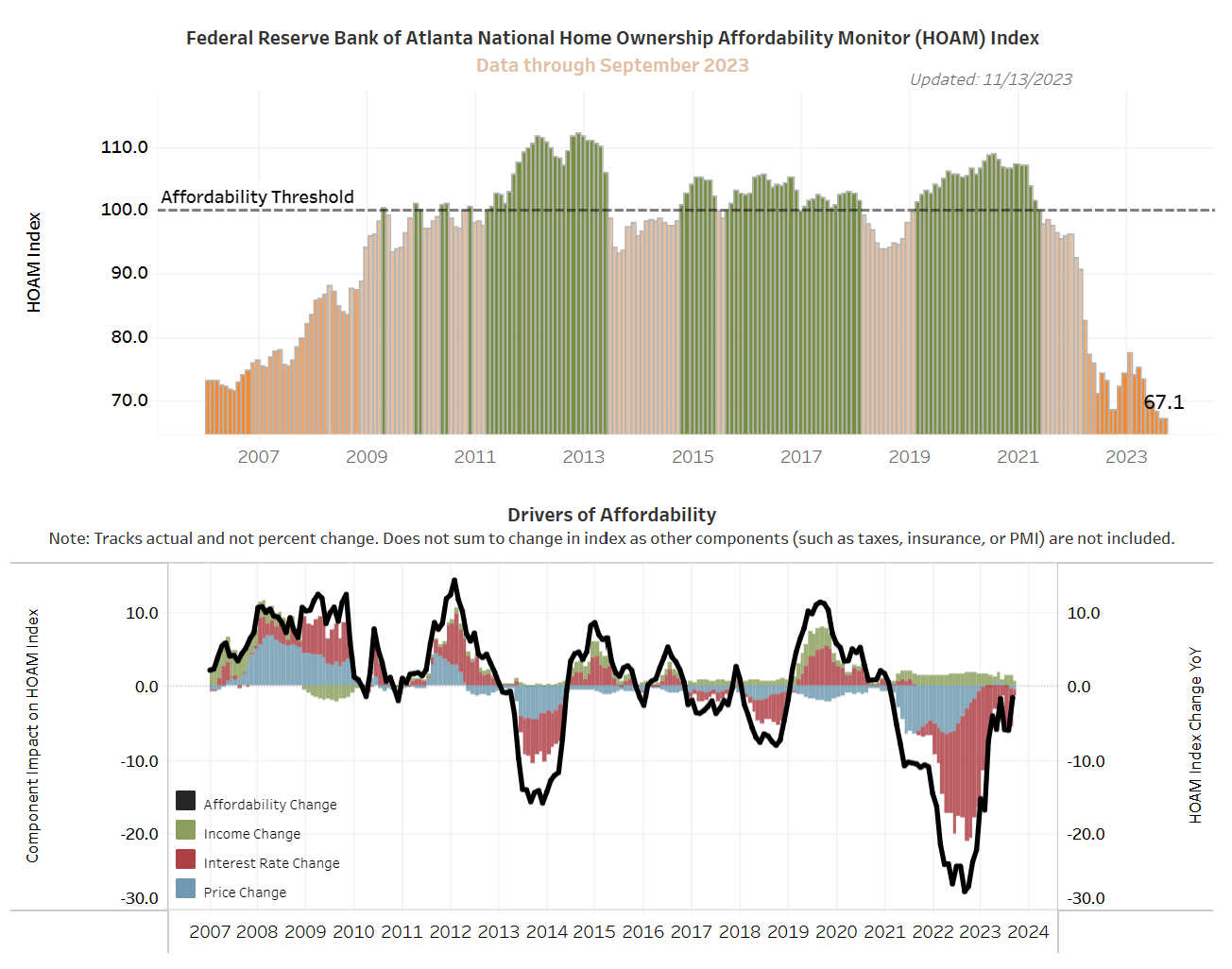
It didn't work. What the market actually needed was for all the dead wood to burn off and every bad asset to be liquidated, quickly. Instead, the process dragged out over a decade and held back economic growth.
Real incomes fell significantly over those years, and, oddly enough, housing affordability actually improved. But then came 2020, when the government destroyed everything it had spent years building.
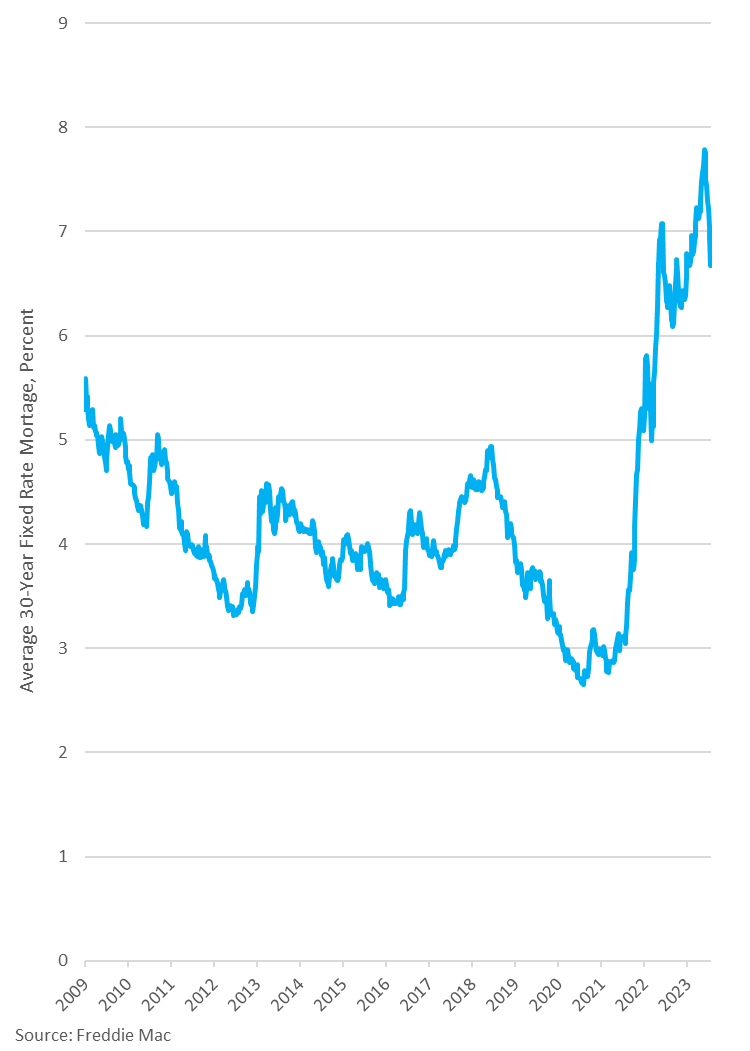
With interest rates at record lows, almost anyone could suddenly afford a jumbo mortgage with next to no down payment.
The frenzy pushed home prices even higher than they'd climbed the last time around. That was bad enough, but then Biden turned the one-time costs of emergency covid measures into institutionalized, multi-trillion-dollar deficits.
Then came inflation. Again.
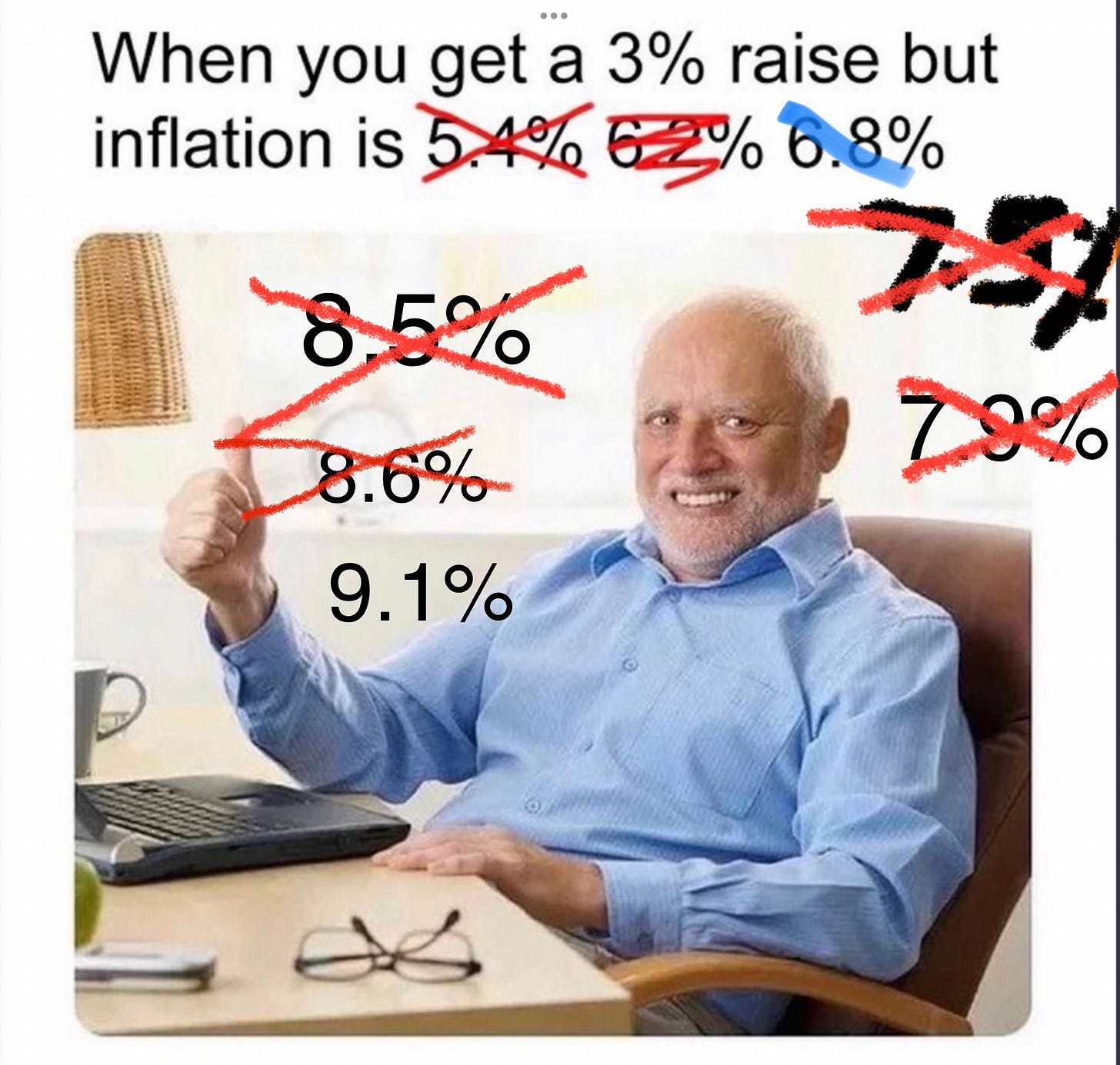
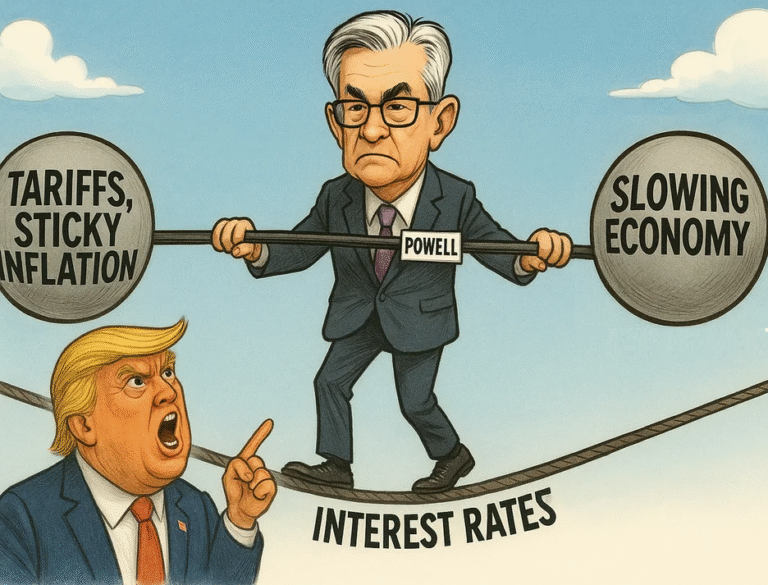
That finally forced the court jester, Powell, to raise interest rates, late. And aggressively.
Many Americans are sitting on mortgages between 2% and 3%. If they sell their homes today, they lose that mortgage entirely, since the bank's lien on the property means it still has first claim on the proceeds of the sale. To buy a new home, those people would need a new mortgage at today's market rates, which are much higher.
Moving from a 2.5% rate to a 7.5% rate is enough to double the monthly mortgage payment for many borrowers. You either have to buy a house half the size, or significantly raise the price at which you sell your own home.
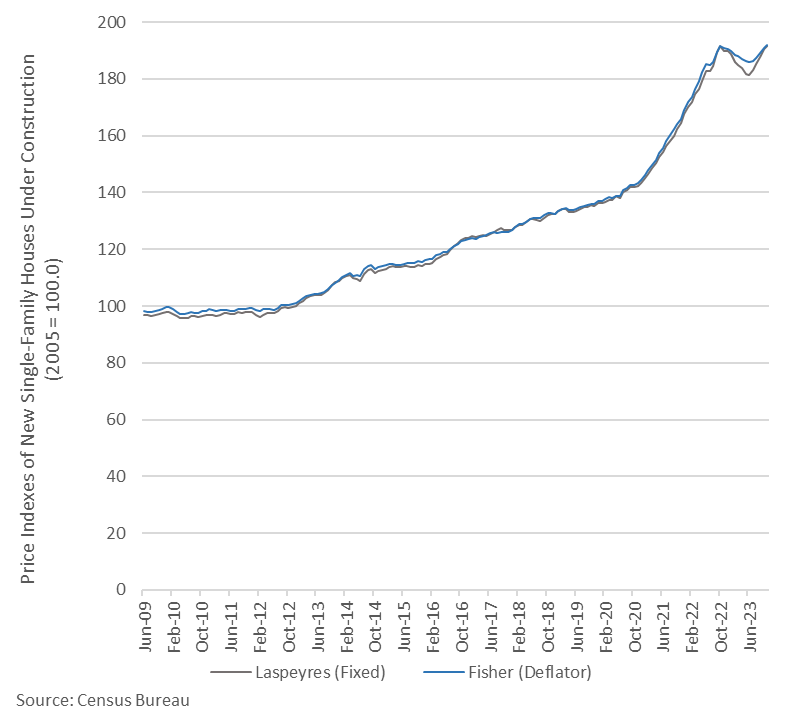
And the inflation we mentioned? It pushed wholesale costs for homebuilders to record highs, so builders can't cut prices by any meaningful amount and still turn a profit.
Under normal conditions, there's a very tight inverse relationship between home prices and interest rates, which keeps monthly mortgage payments relatively stable over time. But Biden's policies and the violent swings in monetary policy broke that mechanism.
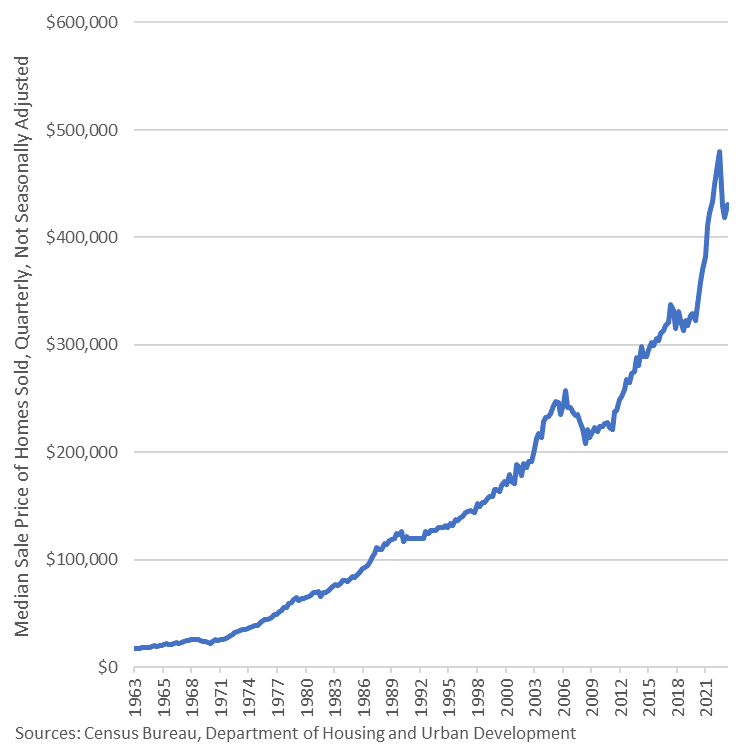
What we're left with is stubbornly high home prices, higher interest rates, and record-low affordability, driven by falling real wages over the past two and a half years. With average home prices above $400,000, owning property is becoming an ever more distant dream for a growing number of people.
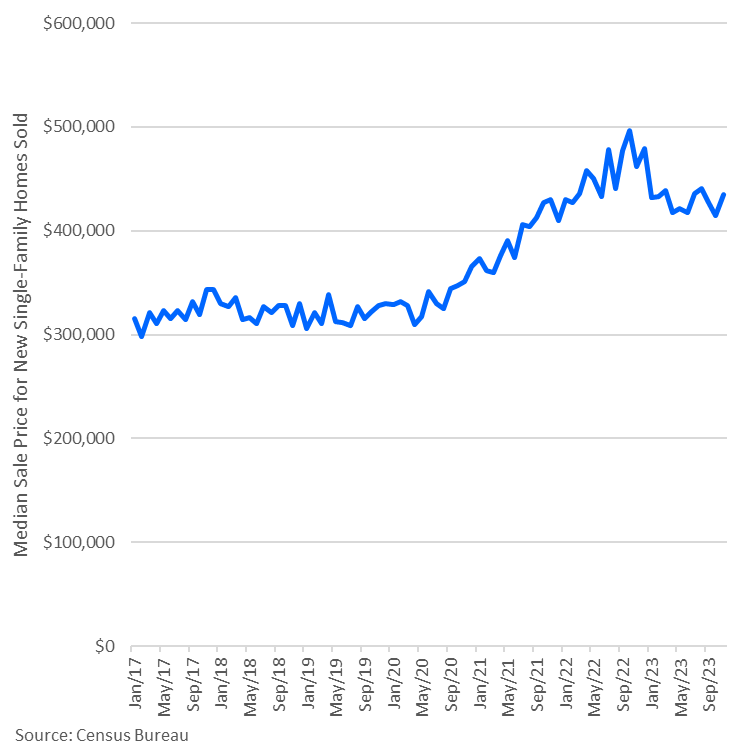
You might assume lower interest rates next year will fix the problem, but that's not the case. Unless Powell cuts rates to almost zero to bring mortgages back near pandemic-era levels, owning a home is only going to get harder.
Likewise, unless construction costs fall (spoiler: they won't), builders will raise prices as interest rates come down, because, well, why wouldn't they.
In short, monthly mortgage payments are stuck at these painful levels, and it could take a decade (or more) before real incomes catch up to the point where homes become affordable again.
What has this done to the Western world? It has created a two-tier society, of haves and have-nots. If you were lucky enough to buy a home in 2020 or earlier, you might be stuck where you are, but at least you have a home.
While owning a home has never been more expensive, and has never cost so much relative to renting, rents are also sitting at record highs. As a result, most renters simply can't afford to save for a down payment.
This is modern-day serfdom, engineered over decades by Western elites in power. There are property owners, and then there's everyone else.
The current trajectory of Western nations is truly a tragic chapter in this story. Political elites, on both sides of the aisle, simply want to keep going down this road, because it enriches them and their donors.
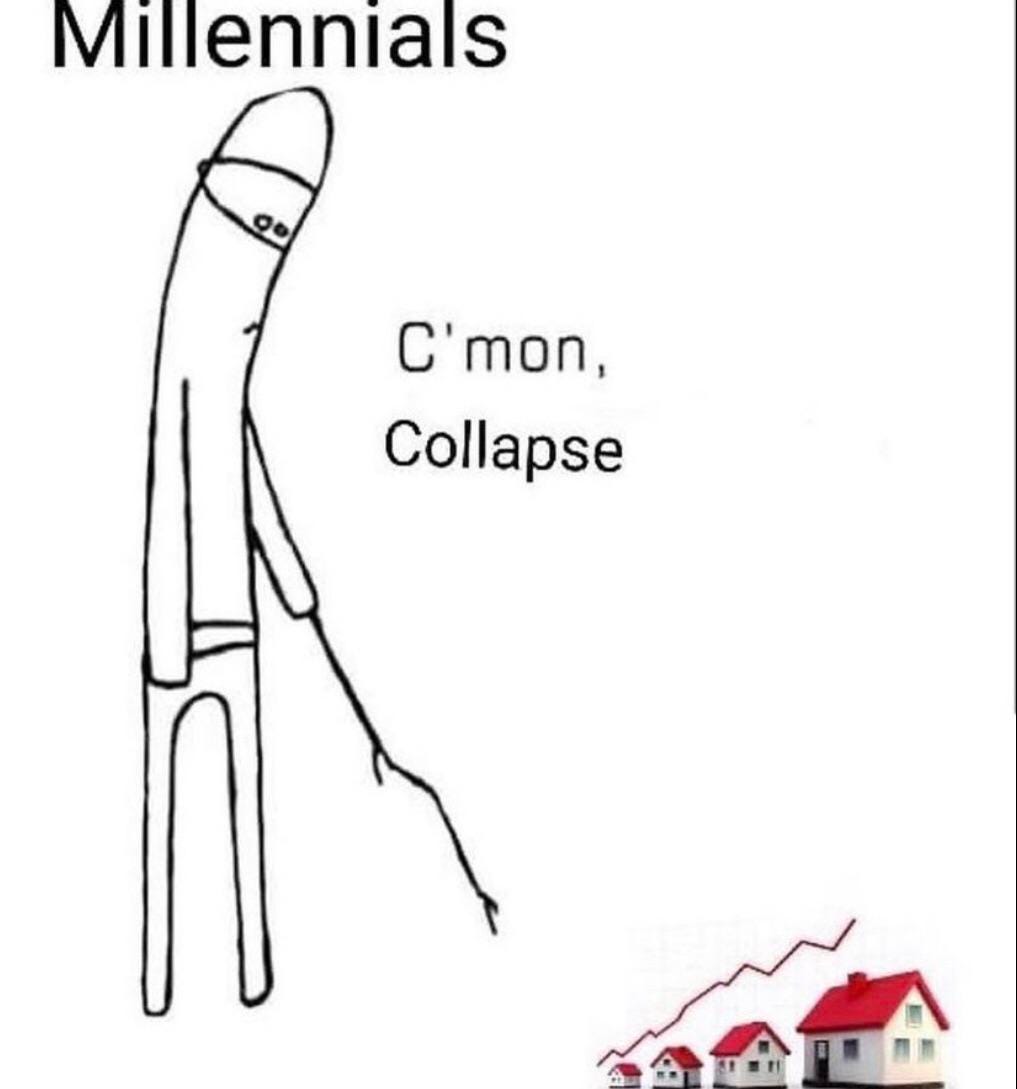
Fortunately, the next chapter of this book hasn't been written yet. If mountains and oceans can be bridged, then anything humanity has built can be undone as well. Everything that goes up will, one day, come back down.
But what it would actually take to bring a housing market like this crashing down, and force prices lower, is a recession so severe that most people would care only about having enough money to buy bread, not about owning property. And yes, this isn't a happy ending. Because in that correction, people sitting on excess liquidity (read: more cash in their pockets) will buy up real estate at the lower prices, only to resell it or rent it out later at higher ones, making a normal life impossible for most people all over again.